Build the instrument.
Then play it.
Our luthier shop takes in old and broken stringed instruments, restores them to playing condition, and builds new guitars, mandolins, violins, and more for students who need them. In our workshop, students learn the craft side by side with professional luthiers—and every graduate keeps the instrument they built or restored.
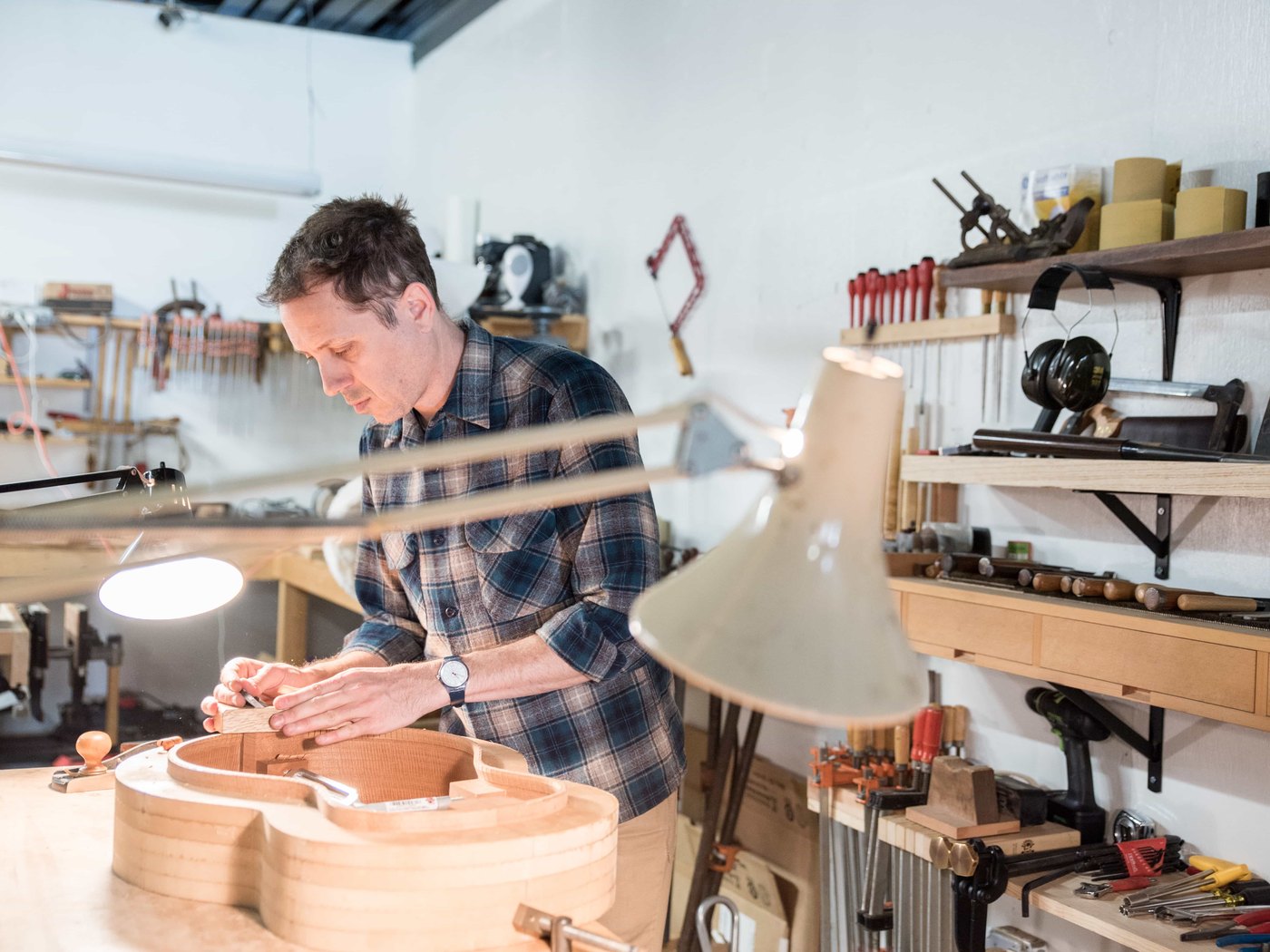
Two sides of the bench. One purpose.
Our luthier shop is split into two working areas. On one side, broken and neglected stringed instruments are brought back to life. On the other, students and mentors build new instruments from raw wood. Every piece that leaves the shop becomes a gift to a student musician.
Restoration
Cracked tops, loose braces, warped necks, and worn finishes—our mentors guide students through the diagnostics and repair of real-world damage. Students learn how to assess an instrument, stabilize cracks, reset necks, refret fingerboards, and restore playability.
- Crack and seam repair
- Neck reset and refret
- Bridge and saddle work
- Finish touch-ups and setup
New builds
Students choose a stringed instrument—guitar, mandolin, violin, or another project—and build it from raw materials. They learn wood selection, body geometry, bracing or arching, fretwork, finishing, and final setup. Every new instrument is donated to a student in need.
- Acoustic & electric guitars
- Mandolins & ukuleles
- Violins & violas
- Custom student-requested builds
Two tracks. One instrument to keep.
Students choose restoration or new build based on interest. Both end with a working, professionally-set-up stringed instrument they take home.
Restoration Track
Students work on real donated instruments—guitars, mandolins, violins, and more—that have been damaged or neglected. They diagnose problems, repair cracks, reset necks, refret fingerboards, and bring each piece back to playing condition.
- Damage assessment
- Crack & seam repair
- Neck reset & refret
- Setup & intonation
New Build Track
Students choose a stringed instrument project—guitar, mandolin, violin, ukulele, or another design—and build it from raw materials. They learn wood selection, body geometry, bracing or arching, fretwork, finishing, and final setup.
- Wood selection & geometry
- Bracing / arching
- Fretwork & finishing
- Electronics & setup
From broken or bare wood to a working instrument.
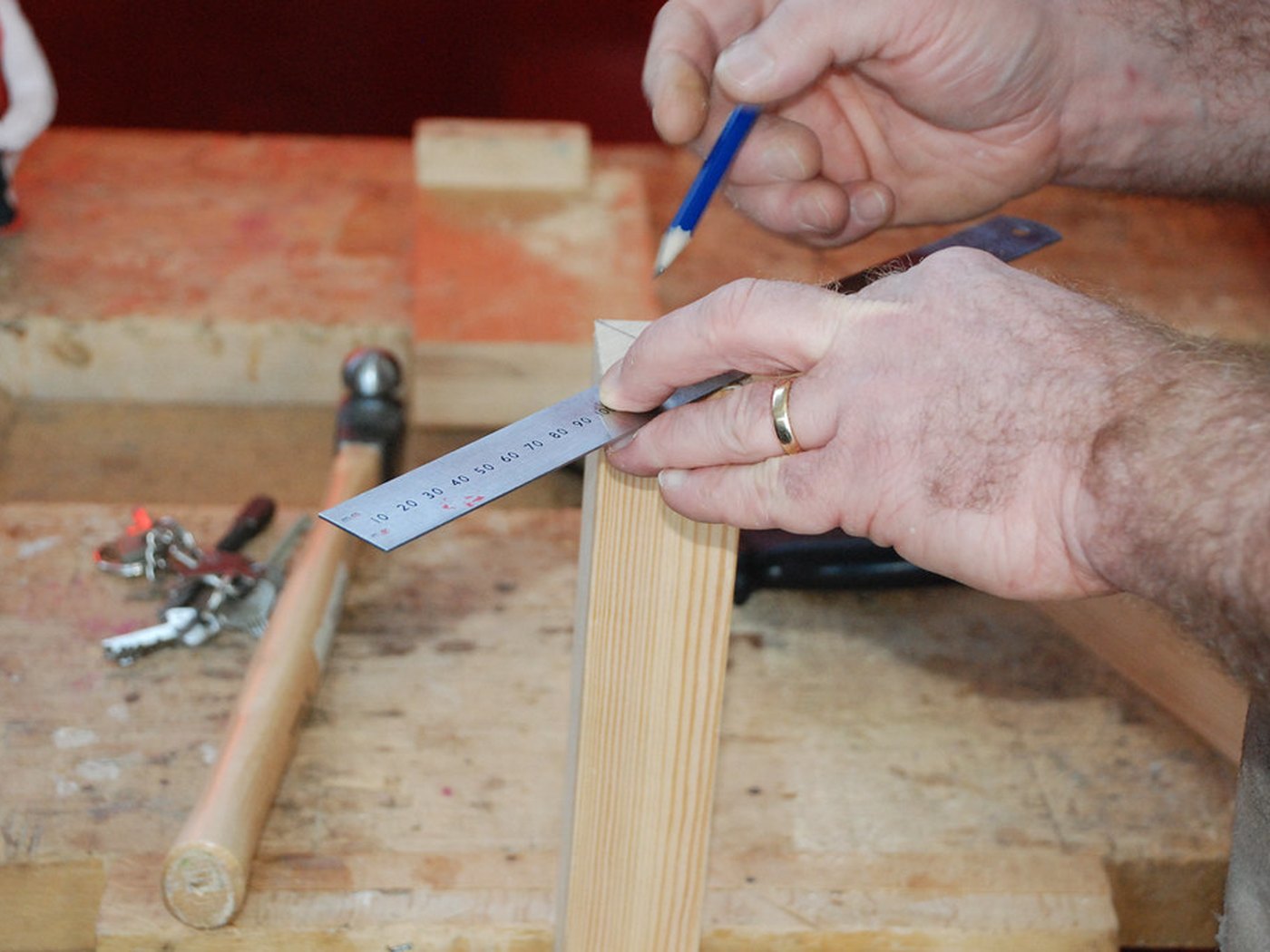
Two-hour sessions, twice a week, in our shop alongside professional luthier mentors. Restoration and build students share the same space, tools, and standards—adaptive benches and jigs mean every student can participate fully.
Shop safety & assessment
Weeks 1–2Learn safe tool use, shop flow, and how to inspect an instrument for structural and tonal issues. Restoration students pick their first project; build students finalize their design.
Structure & shape
Weeks 3–5Restoration students stabilize cracks, reglue braces, and rough-shape repairs. Build students rough out bodies, glue up neck blanks, and shape heels and headstocks.
Necks & fretwork
Weeks 6–8Reset or carve necks, slot fingerboards, install and dress frets, level and crown for clean intonation across all stringed instruments.
Voice & electronics
Weeks 9–10Build students install bracing, binding, or pickups and wiring. Restoration students address bridge, saddle, nut, and finish touch-ups.
Finish & final details
Weeks 11Sand, seal, and apply finish—whether restoring an original patina or finishing a new build. Learn the chemistry of color, protection, and polish.
Setup & showcase
Week 12Final string-up, intonation check, and a showcase performance on the instrument each student built or restored. Every graduate takes their instrument home.
Showcase performance
More than music. A trade in their hands.
Craftsmanship
Hand tools, joinery, finishing—skills that transfer to woodworking, fabrication, and design careers.
Electronics
Soldering, signal flow, shielding, pickup theory. The basics of electronics engineering, made tangible.
Precision
Measuring to a thousandth of an inch. Patience, problem-solving, and pride in something only you could make.